![[DEV] SC Policy Council](https://assets.nationbuilder.com/themes/64a70761f9279500cd767ee8/attachments/original/1680182376/logo-nerve.jpeg?1680182376)


By RICK BRUNDRETT
UPDATE: 1/21/26 - By a unanimous vote, the five-member S.C. Supreme Court ruled that the "Eye Care Consumer Protection Law" is constitutional. Writing for the court, Justice John Few concluded that in "light of the speed in which artificial intelligence and other technology continues to develop, we are confident the General Assembly will continue to monitor the policy rationale behind" the law, adding, "At this point, however, we cannot say the Act is irrational or wholly unrelated to a legitimate government interest."
Editor’s Note: This story is part of a two-article package published today. The other story can be found here.
Although eye exam businesses and rural transportation companies are clearly different from each other, an eye-exam case before the S.C. Supreme Court might ultimately affect the regulation of transportation companies statewide, says an attorney with a national nonprofit law firm.
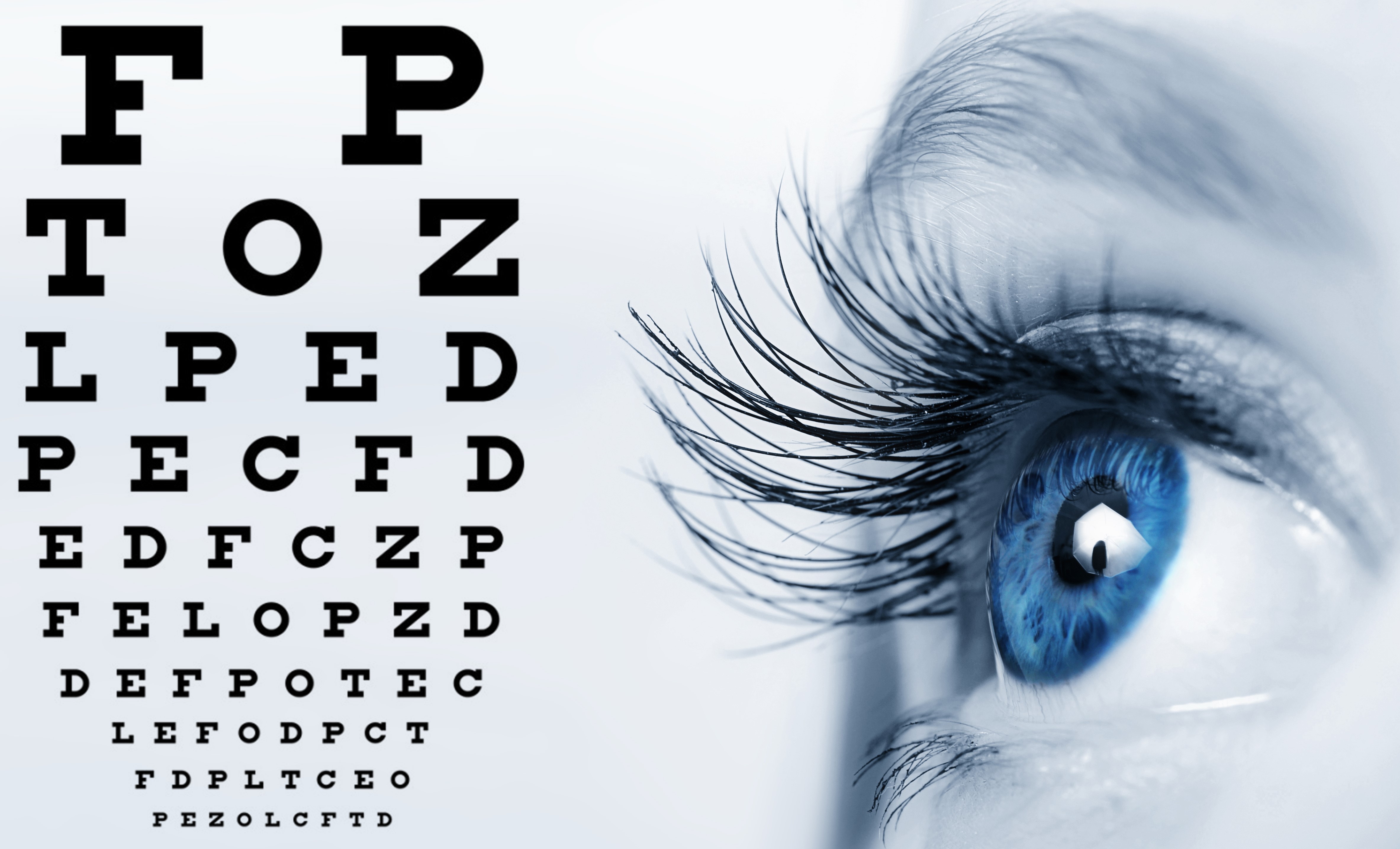
The five-member Supreme Court last month heard oral arguments in a lawsuit brought by Visibly, a Chicago-based, online eye-exam company contending that a 2016 state law banning the business violates the S.C. Constitution. The justices will issue a ruling later.
At issue is whether the law, dubbed the “Eye Care Consumer Protection Law,” which was vetoed by then-Gov. Nikki Haley but was overridden by the Legislature, violates due process and equal protection provisions under the state constitution.
Visibly, which formerly operated in South Carolina under the name of Opternative, in court papers contends that the law was passed to protect in-state, storefront eye-care businesses, though lawmakers during the same year passed separate legislation, known as the “Telemedicine Act," allowing a variety of other online medical services.
“The undisputed facts show there is no meaningful health or safety difference between lenses and anything else a doctor might prescribe using telemedicine,” the company said in its legal brief to the Supreme Court. “Instead, the only reason lenses are singled out is that a group of optometrists drafted the Lens Exception to destroy Appellant Opternative’s business.”
In court papers, the South Carolina Optometric Physicians Association, which was a respondent-intervenor in the case, contends that the state law in question “represents a rational legislative effort to protect public health by ensuring that a patient’s corrective lenses are prescribed only after an appropriate in-person eye examination.”
The organization has asked the high court to uphold a lower court order. Then-Opternative initially sued the S.C. Board of Medical Examiners and the state Department of Labor, Licensing and Regulation in 2016.
Visibly is represented by the Institute for Justice (IJ),a Virginia-based, nonprofit organization which, according to its website, describes itself as a “national civil liberties law firm that represents everyday people – free of charge – when the government violates their most important constitutional rights.”
Interviewed recently by The Nerve, Will Aronin, an Institute for Justice senior attorney, said although the Supreme Court case doesn’t directly involve rural transportation companies in South Carolina – such as Edisto Island Shuttle, which is featured today in a companion Nerve story – a favorable ruling could help protect those businesses from future laws or regulations that discriminate against them.
“A lot of these regulations are really just protectionism,” said Aronin, who noted he was not involved with the Visibly case but represented small transportation companies in appellate cases in Nebraska and Colorado.
Aronin said he’s generally not opposed to regulations to help ensure transportation company drivers are “safe and competent,” and that their vehicles run properly. But he said businesses such as Edisto Island Shuttle should be allowed to operate in the same transportation category as major ride-booking companies such as Uber and Lyft – a central issue for David Crawford, the owner of Edisto Island Shuttle .
“I think it’s absolutely unconstitutional to have a carve-out for the rich, powerful players and leave it out for the little mom-and-pops,” Aronin said. “You can’t treat Uber & Lyft differently than (Edisto Island Shuttle), which is basically doing the same thing but doesn’t have a billion dollars behind it.”
In the Nebraska and Colorado cases that Aronin handled with other IJ attorneys, laws in those states allowed competitors to prevent his clients from obtaining necessary state certificates. He said while his clients didn’t win in their respective supreme courts, “we’re still tugging ahead.”
And although the main issue in those cases isn’t at play in the case of Edisto Island Shuttle, Aronin said the basic legal principle is similar.
“The use of government power needs to be legitimate,” he said. “The government can act for legitimate reasons. They can’t act for illegitimate reasons.”
“And barring competition is illegitimate,” Aronin continued, “even though they facially say, ‘This is what the law does.’ You have to look at least one step deeper.”
Brundrett is the news editor of The Nerve (www.thenerve.org). Contact him at 803-394-8273 or [email protected]. Follow The Nerve on Facebook, Instagram and X (formerlyTwitter) @thenervesc.
Nerve stories are free to reprint and repost with permission by and credit to The Nerve.